In a world where reality can feel a bit too mundane, MMORPG anime swoops in like a pixelated hero ready to save the day. These captivating series blend the thrill of massive multiplayer online games with the vibrant storytelling of anime, creating a universe where anything is possible. Whether it’s battling fierce dragons or forging unbreakable friendships, viewers find themselves immersed in adventures that spark both laughter and excitement.
Overview of MMORPG Anime
MMORPG anime captivate audiences by merging the thrill of online gaming with rich narratives. These series present expansive worlds where characters engage in epic quests and form dynamic alliances. Plotlines often revolve around in-game challenges and character development, making them appealing to both gamers and anime enthusiasts.
Key elements in MMORPG anime include character progression, skill mastery, and exploration of vast landscapes. Characters usually start with basic skills and evolve through experience, often reflecting common traits seen in traditional RPGs. Breathtaking visuals showcase intricate details of exceptionally designed environments and avatars.
Another aspect of MMORPG anime involves social interaction. Many stories highlight friendships that develop among characters while battling formidable foes or completing group missions. Themes of teamwork and camaraderie resonate throughout these series, enhancing emotional connections among viewers.
Creative storytelling plays a significant role as well. Writers often introduce innovative narratives that explore the potential consequences of virtual realities. Conflicts across game levels serve as metaphors for real-life challenges, prompting viewers to reflect on their actions and relationships.
Popular titles illustrate the appeal of this genre. Series like “Sword Art Online” and “Log Horizon” immerse viewers in worlds where characters experience life-altering adventures. These examples highlight the blend of action, strategy, and emotional depth characteristic of MMORPG anime.
Fans engage with these series through vibrant community discussions, fan art, and cosplay. Active participation in online forums fosters a sense of belonging and shared experience. This interactive culture further enriches the overall enjoyment of MMORPG anime, creating a unique space for both viewers and gamers.
Popular MMORPG Anime Series
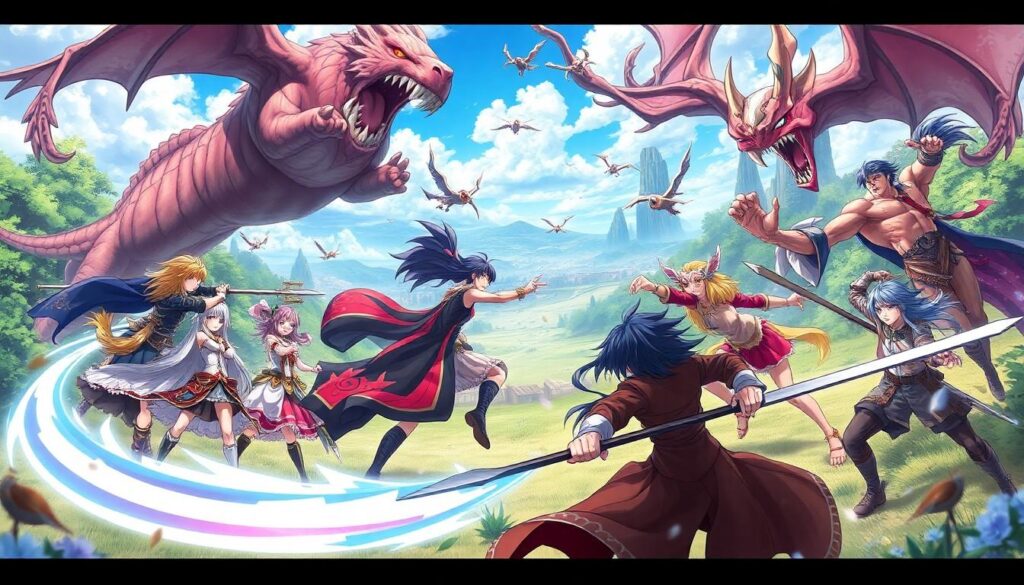
MMORPG anime series captivate audiences through their thrilling narratives and expansive game worlds. These series often feature notable titles that stand out for their unique approaches to storytelling and character immersion.
Notable Titles
“Sword Art Online” leads the genre, presenting characters trapped in a virtual world where survival depends on mastering gaming mechanics. “Log Horizon” examines strategic gameplay while showcasing teamwork among players navigating challenges. “Overlord” offers a darker twist, focusing on a player transformed into a powerful undead overlord within the game. Meanwhile, “Re:Creators” merges creators and their fictional characters, leading to engaging battles between digital and real-life entities. Each title contributes to the MMORPG anime landscape by exploring distinct themes and character arcs.
Character Development
Character growth remains a foundation of MMORPG anime. In “Sword Art Online,” Kirito evolves from a lone player to a crucial team member who values friendships. Shiroe in “Log Horizon” showcases strategic developments, emphasizing wisdom over brute strength. Characters in “Overlord” navigate moral dilemmas, exposing various perspectives on power and manipulation. Through these arcs, viewers connect emotionally, seeing their own struggles and triumphs reflected. As characters encounter challenges and triumphs, they embody the essence of RPG-like development, strengthening the immersive experience of MMORPG anime.
Themes in MMORPG Anime
MMORPG anime often showcase fundamental themes that resonate deeply with viewers. The genre thrives on adventure and camaraderie, crafting a vivid tapestry of interconnected stories.
Adventure and Exploration
Adventure drives the narratives in MMORPG anime. Characters embark on quests across expansive, beautifully designed worlds, and each journey reveals thrilling mysteries and formidable foes. Viewers experience the excitement of discovery as characters navigate dungeons, unraveling secrets while battling unique creatures. Exploration serves as a vehicle for character growth, and with every challenge overcome, characters gain new skills and understanding. Series like “Sword Art Online” exemplify this theme, fusing intense action with breathtaking landscapes, inviting audiences to immerse themselves in the adventure.
Friendship and Guilds
Friendship forms the backbone of many MMORPG anime plots. Characters unite to form guilds, strengthening bonds and pooling their skills to tackle formidable challenges. Through shared experiences, they navigate triumphs and setbacks, fostering emotional connections that resonate with viewers. The dynamics within these guilds often reflect real-life social structures, showcasing loyalty, rivalry, and teamwork. Titles such as “Log Horizon” emphasize strategic collaboration, illustrating how friends enhance each other’s abilities. These relationships add depth to the narratives, making the journey both enjoyable and relatable for audiences.
Gameplay Elements Reflected in Anime
MMORPG anime often reflect complex gameplay elements from their gaming counterparts. These series effectively depict systems that enhance viewer engagement and immersive experiences.
Combat Systems
Combat systems in MMORPG anime showcase thrilling battles featuring diverse characters. Action sequences frequently incorporate special abilities and tactical strategies that resemble actual gameplay. Characters often exhibit unique fighting styles that align with their roles, such as tanks, healers, and damage dealers. Series like “Sword Art Online” highlight real-time combat, showcasing fast-paced interactions and skill utilization. These portrayals create excitement, making viewers feel as if they are part of the action. Dramatic encounters against formidable foes further enhance the narrative, emphasizing the stakes involved in each battle.
Leveling and Progression
Leveling and progression serve as critical elements in MMORPG anime. Characters typically gain experience points through quests and battles, paralleling in-game mechanics. This journey of growth allows viewers to witness transformations in characters as they develop new skills and abilities. For example, characters in “Log Horizon” advance through strategic planning and teamwork, reflecting classic RPG growth. Main protagonists often face challenges that require adaptive strategies and perseverance. As they overcome obstacles, themes of ambition and achievement resonate strongly with audiences, highlighting the rewarding nature of progression within both gaming and storytelling.
Visual and Artistic Styles
Art and visuals play a crucial role in MMORPG anime. Series often showcase vibrant colors, intricate character designs, and stunning landscapes. Styles vary significantly, allowing each anime to create its unique atmosphere.
Visual elements enhance the storytelling experience, drawing viewers into immersive worlds. Characters sport distinctive outfits and weapons, reflecting their personalities and roles in the narrative. Popular titles like “Sword Art Online” feature armor and weapon designs that resonate with fans and gamers alike.
Background art captures the intricacies of various environments, from sprawling cities to enchanted forests. Attention to detail in these settings contributes to the overall sensory experience. Shading techniques and animation styles also impact how battles and interactions unfold on screen.
Action sequences boast fluid animation, making combat scenes feel dynamic and engaging. Elements such as special effects for magic and weaponry add drama, encouraging intense viewer investment. “Overlord” exemplifies this approach with its impactful visual storytelling.
Character animations often mirror real-life movements, adding authenticity to interactions. Relationships develop organically through visual cues, enhancing emotional connections. Viewers recognize the emotional expressions of characters during pivotal moments, deepening their engagement.
Symbolism in character designs sometimes reflects inner struggles or growth arcs. For example, Kirito’s evolving appearance in “Sword Art Online” signals his journey from an isolated gamer to a heroic leader. This artistic representation reinforces the narrative’s themes and character development.
Overall, visual and artistic styles significantly enhance the appeal of MMORPG anime. They create immersive experiences that resonate with audiences, further deepening their connection to the stories and characters.
Conclusion
MMORPG anime offers a unique blend of adventure and emotional depth that resonates with viewers. These series not only showcase thrilling battles and expansive worlds but also delve into complex character development and meaningful friendships. The immersive storytelling captivates audiences and allows them to escape into vibrant virtual realms.
As fans engage with their favorite titles through discussions and creative expressions, the community continues to grow. The combination of stunning visuals and intricate narratives enhances the overall experience, making MMORPG anime a captivating genre. With each new series, the potential for exploration and connection remains limitless, ensuring that this genre will continue to thrive and evolve.