When it comes to classic gaming, few titles stack up quite like Tetris on the Nintendo 64. This iconic puzzle game transformed the way players approached gaming, turning casual afternoons into epic battles of strategy and speed. Imagine a world where colorful blocks fall from the sky, and your only mission is to fit them together like an overzealous jigsaw puzzle enthusiast on a caffeine high.
Tetris on the N64 isn’t just about clearing lines; it’s a test of wits, reflexes, and maybe a little bit of luck. With its multiplayer mode, friends can join in on the fun, leading to friendly rivalries and laughter that echoes long after the game’s over. So grab your controller and prepare for a nostalgic journey that’ll have you saying, “Just one more game!” as you dive back into the addictive world of Tetris.
Overview Of Tetris Nintendo 64
Tetris for the Nintendo 64 remains a cornerstone of gaming history. Released in 1996, it showcases unique gameplay mechanics that set it apart from its predecessors. Players engage with falling tetrominoes, strategically rotating and positioning them to clear lines. Block combinations require both skill and foresight; success hinges on quick decision-making and adaptability.
The game supports various modes, including solo and multiplayer. Solo players can enjoy endless modes, where the challenge escalates as speed increases. In multiplayer mode, friends can compete head-to-head, sparking rivalries and friendly competition. The engaging battle mode allows for offensive strategies, where players can send garbage blocks to their opponents, elevating the excitement.
Visuals take advantage of the Nintendo 64’s capabilities, offering vibrant colors and smooth animations. The nostalgic soundtrack complements the gameplay, creating an immersive experience. Players often find themselves lost in the rhythm of placing blocks, making Tetris not just a game but a captivating journey.
Legacy impacts of Tetris extend beyond just gameplay. This version contributed to the popularity of puzzle games in the late 90s. Its success led to numerous remakes and adaptations across various platforms, ensuring that Tetris remains a relevant and influential title. Each round encourages players to improve skills and achieve higher scores, reinforcing game replayability and addiction.
Players still celebrate Tetris for its simplicity and depth. The combination of challenge, strategy, and social interaction fosters an enduring appeal, making it a beloved choice among gaming enthusiasts. The lasting impression of Tetris for the Nintendo 64 highlights its position as a pivotal title in gaming culture.
Gameplay Mechanics
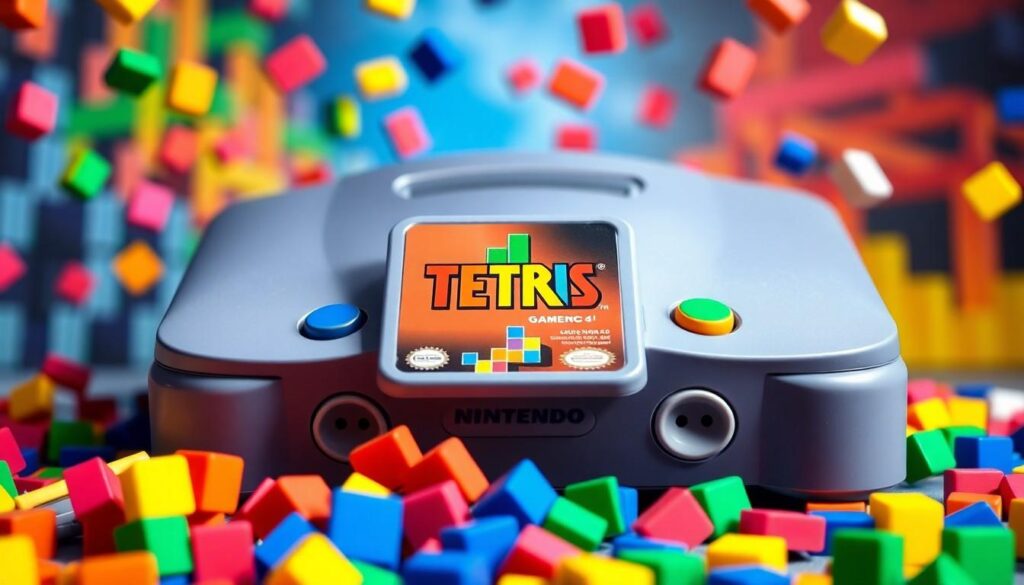
Tetris on Nintendo 64 incorporates engaging gameplay mechanics that enhance the player experience. Players control tetrominoes as they fall, fitting them together to clear lines and earn points.
Controls and Interface
Controls are straightforward and responsive. Players use the joystick to move and rotate tetrominoes. A single button drops pieces quickly, while another function allows players to hold a piece for later use. The interface displays the upcoming tetromino and current scores, creating a streamlined experience. Visual clarity ensures players remain focused on the action. Background graphics and themes change depending on the chosen mode, maintaining player interest.
Game Modes
Tetris for Nintendo 64 features various game modes that cater to different preferences. Solo mode presents an endless challenge, where speed increases as lines are cleared. Points accumulate, motivating players to improve their skills. Multiplayer mode offers head-to-head competition, allowing players to compete in real-time. Power-ups and penalties add depth to gameplay, further enhancing competition. Each mode provides a unique experience, appealing to both casual and competitive players.
Graphics and Sound Design
Tetris for the Nintendo 64 impresses with its graphics and sound design, contributing to the overall gaming experience.
Visuals and Art Style
Vibrant colors define the visuals in Tetris. The blocks, known as tetrominoes, stand out against the simple yet effective backgrounds. Each piece features a distinct color, making it easy for players to differentiate them during gameplay. The art style captures the essence of retro gaming while maintaining clarity and focus on the action. Visual feedback, such as line clears, enhances gameplay satisfaction, adding excitement when players accomplish tasks. Overall, the graphics create an engaging atmosphere that complements the fast-paced nature of the game.
Audio Effects and Music
Sound design elevates Tetris on the Nintendo 64. The audio effects, including the iconic sound of lines clearing, provide immediate feedback and reward players for their successes. Background music features catchy, upbeat tunes that enhance immersion without distracting from the gameplay. Layered melodies create a sense of urgency, perfectly matching the game’s pace. The balance between sound effects and music encourages players to stay focused while enjoying an enjoyable auditory experience. Together, these audio elements enrich the overall appeal of Tetris, making it unforgettable.
Reception and Impact
Tetris for the Nintendo 64 received widespread acclaim for its engaging gameplay and innovative features. Critics praised the smooth controls and dynamic mechanics, emphasizing how they made the experience addictive. Reviewers often highlighted the combination of strategy and reflexes required to succeed, which appealed to a broad audience.
Critical Acclaim
Critics awarded Tetris high ratings shortly after its 1996 release. GameSpot gave it a score of 9.4, applauding its multiplayer mode for enhancing player interaction. IGN also praised the game for its timeless quality, noting how it successfully refreshed the Tetris formula while maintaining its core appeal. Players appreciated the blend of competitive and casual play, which elevated the game’s status in the puzzle genre. This reception cemented Tetris as a staple title, influencing future puzzle games.
Cultural Influence
Tetris significantly impacted gaming culture beyond its successful release. It became a common reference in various media, such as television shows and films. The game’s iconic melody, often recognized without any context, spread its reach across generations. Contests and tournaments emphasizing high scores showcased the competitive spirit fostered by the game. Additionally, variations of Tetris inspired numerous adaptations on modern platforms, reinforcing its relevance. As such, Tetris not only revolutionized puzzle gaming but also became a lasting symbol of gaming culture.
Legacy of Tetris Nintendo 64
Tetris for the Nintendo 64 holds a significant place in gaming history, influencing both the puzzle genre and gaming culture. It introduced unique gameplay mechanics, allowing players to engage with falling tetrominoes in innovative ways. Released in 1996, this version became a highlight of the Nintendo 64 library, drawing players into its strategic challenges with escalating difficulty.
The multiplayer mode, in particular, revolutionized competitive play. Friends could face off against each other, creating memorable experiences full of friendly rivalry. This social aspect contributed to Tetris’s enduring popularity, as it encouraged gathering around the console for exciting gameplay sessions.
Critics praised Tetris for its technical achievements, noting smooth controls and responsive mechanics that enhanced the user experience. The vibrant visuals captivated players, with colorful tetrominoes brightening the screen during play. Sound design also played a crucial role; catchy tunes and satisfying sound effects kept players immersed and motivated to keep clearing lines.
Tetris’s reception further solidified its legacy, earning high ratings from reputable outlets such as GameSpot and IGN. This acclaim highlighted the effective refresh of the Tetris formula while preserving the essence that players loved. Cultural references to Tetris permeated various media, showcasing its influence beyond the realm of gaming.
The game’s presence in tournaments and contests illustrated its competitive spirit, drawing enthusiasts to test their skills. Adaptations on modern platforms have kept Tetris relevant, proving its appeal across generations. Tetris for the Nintendo 64 not only set a standard for puzzle games but also established a foundation for future innovations within the gaming industry.
Conclusion
Tetris for the Nintendo 64 remains a timeless classic that continues to captivate players. Its blend of strategic gameplay and competitive multiplayer modes has left an indelible mark on gaming culture. The vibrant graphics and engaging sound design enhance the overall experience, making each session memorable.
The game’s innovative features and smooth controls have set a standard in the puzzle genre, influencing countless adaptations and inspiring new generations of gamers. Tetris’s ability to foster social interaction through friendly competition underscores its lasting appeal. As it endures in the hearts of players, Tetris solidifies its position as a cornerstone of gaming history.